 Play the video (opens in a new tab)
Video on YouTube by Turing Post TV
- Views
- 26,867
- Duration
- 17:07
Read from YouTube on . Counts change daily.
Turing Post TV opens the TypeSafe console and shows how a question changes with its criteria. “Is a hot dog a sandwich?” comes back 58% true with no definition. It rises to 77% once a sandwich is defined as a filling between structural starch, and drops to 33% when the food is an ice cream sandwich. The help-desk example asks four questions at once about a Wi-Fi ticket, including a choice from 200 possible tools. It sends the ticket to the help desk, rates the priority medium at 83%, and puts the ticket-status tool first at 73% with Wi-Fi troubleshooting second at 25%.
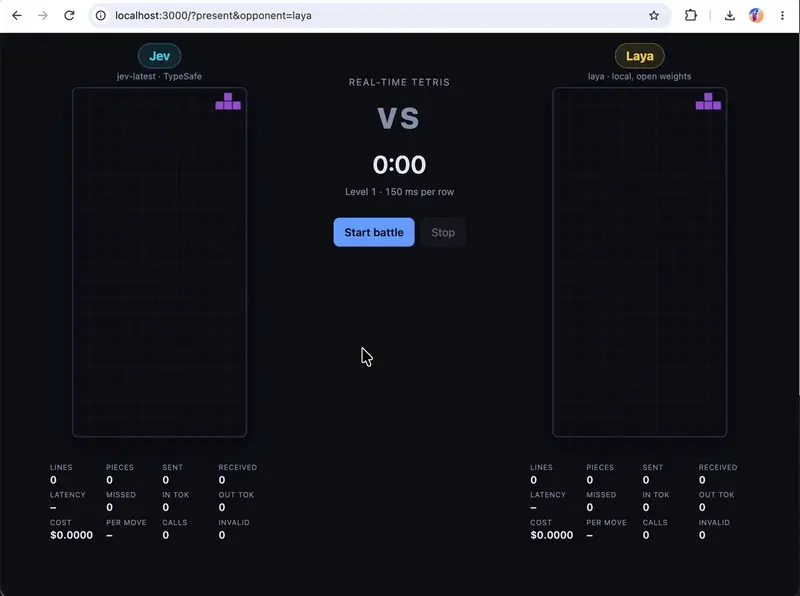
The host then connects Jev to Codex using TypeSafe’s agent setup prompt and has Codex build a side-by-side test. On a short claims-checking example both get every answer right. Jev takes about 0.2 seconds and 616 input tokens. Codex takes almost 5 seconds and close to 16,000 tokens.
The second half explains RLCD (reinforcement learning for calibrated decisions). If a model says 80% across a thousand cases, about 800 should turn out true, so software can act on that number. The host notes that calibration research goes back decades and that much of what Jev does is classification. They also cite Guillermo Rauch’s report of Jev reviewing commands in Vercel’s workflow and Dax’s OpenCode browser preview.