Skip to content
System One

Jev plays games: 79 real-time decision projects

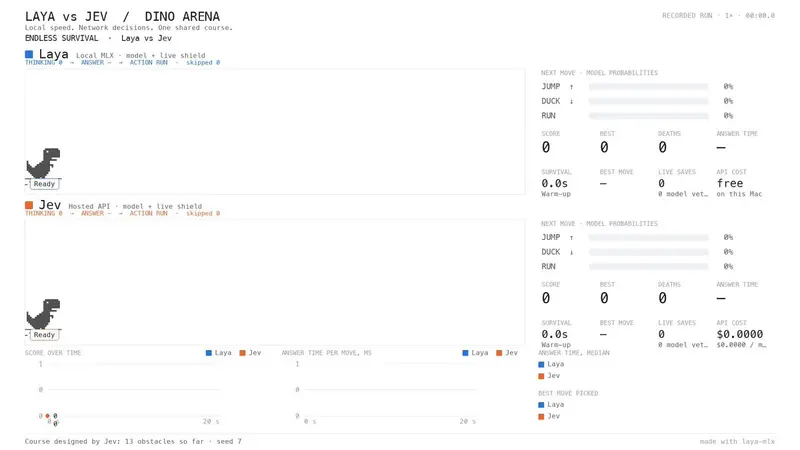
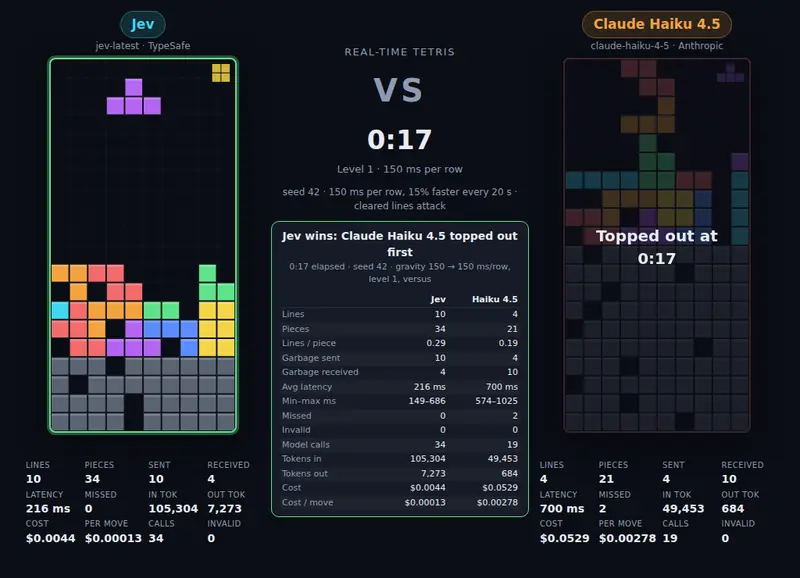
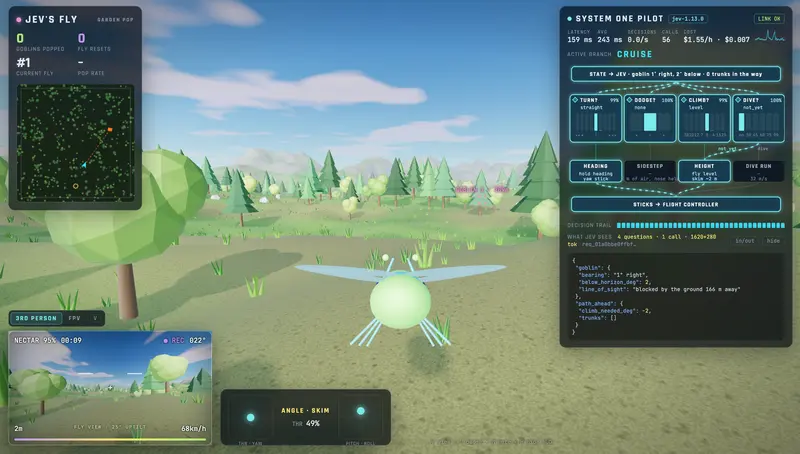
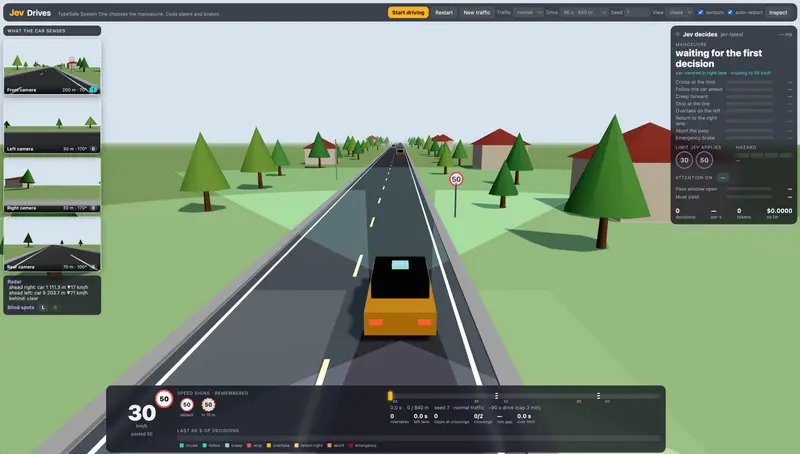
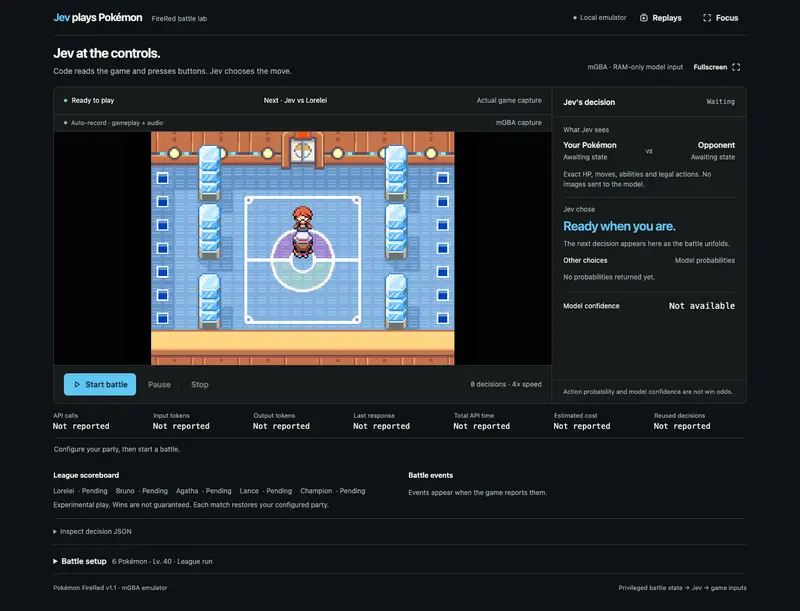
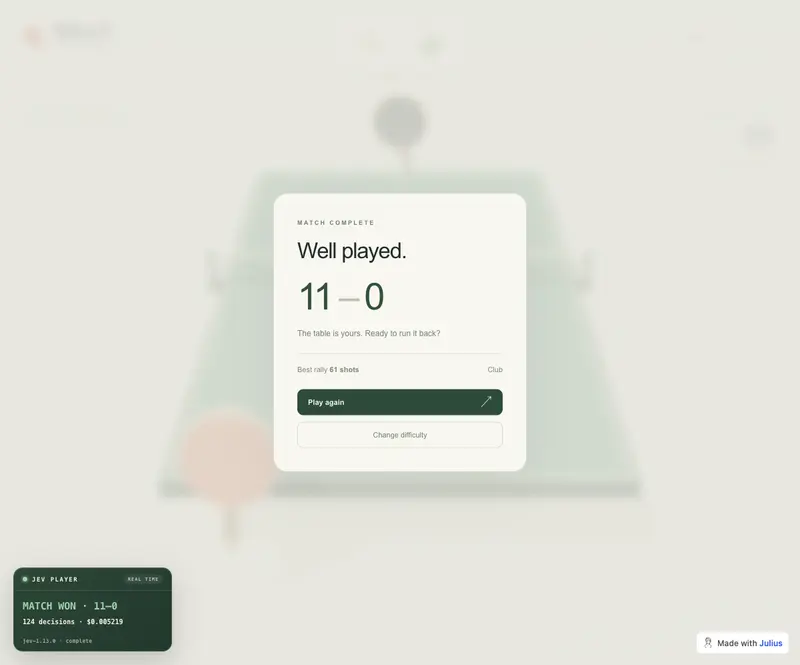


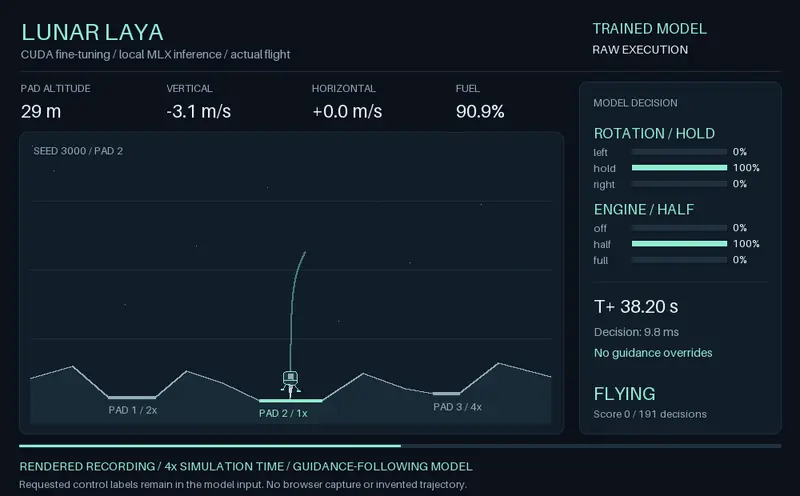
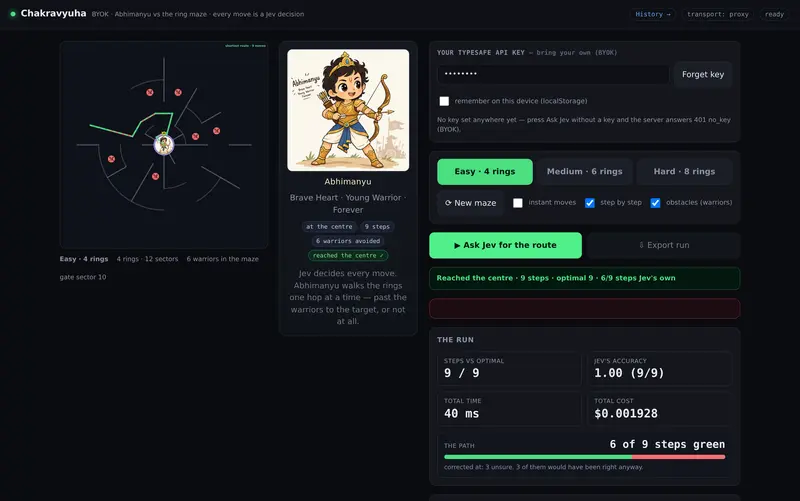
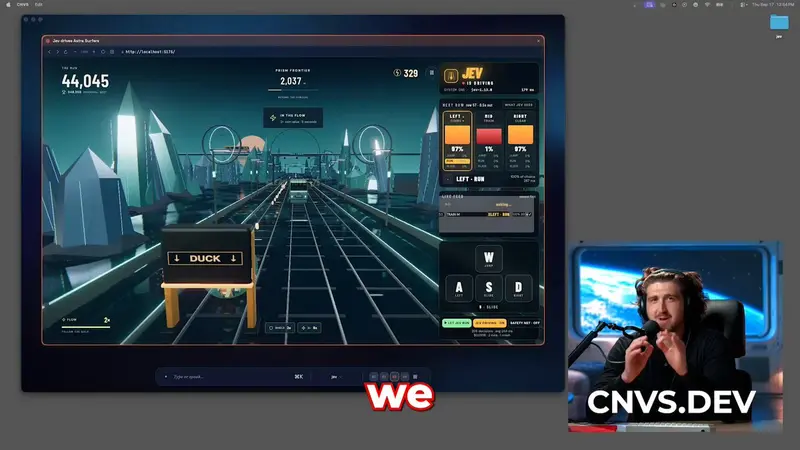
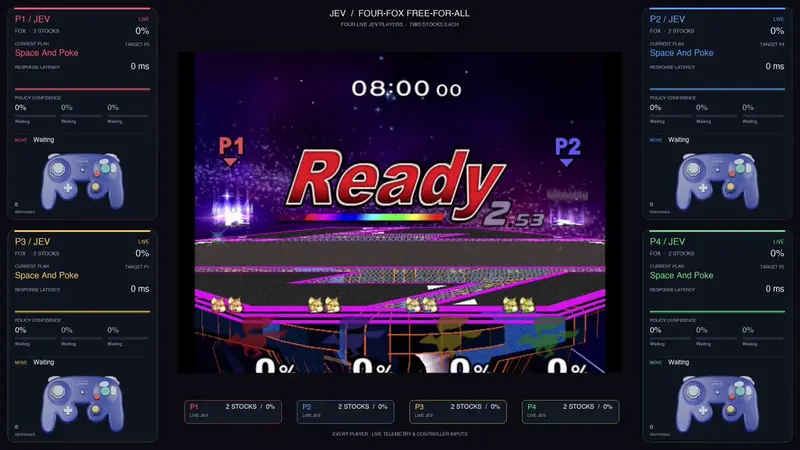
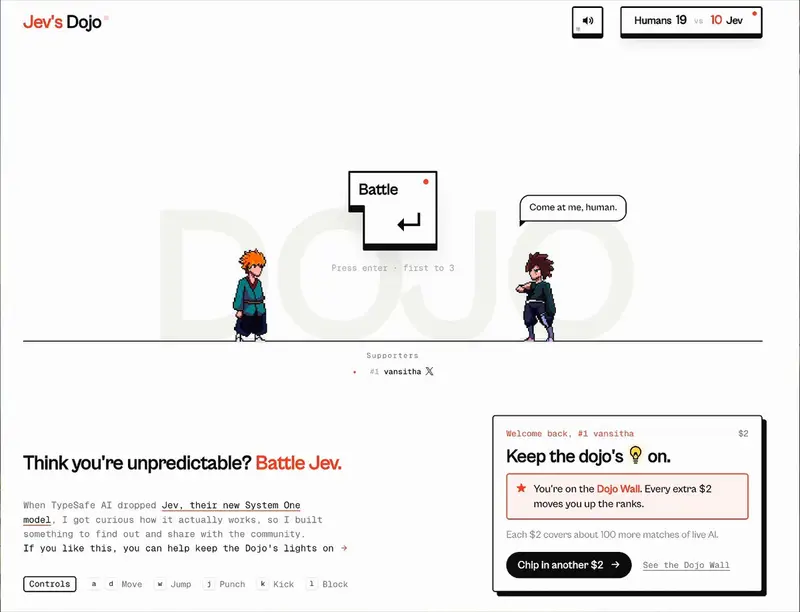
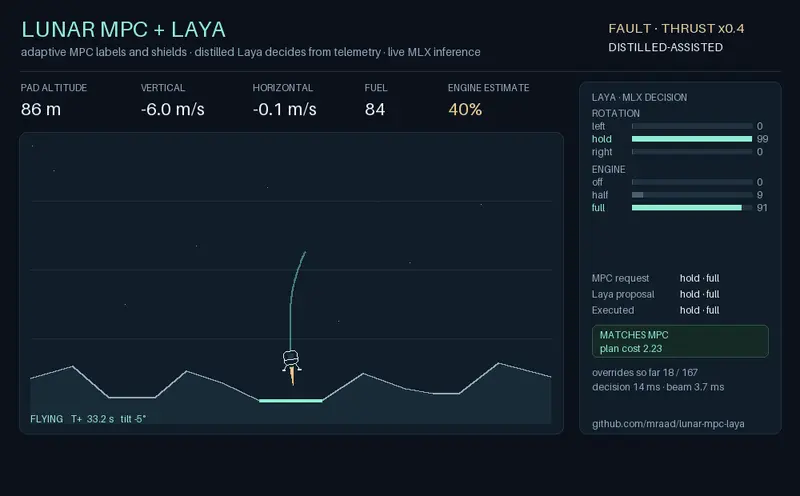
A game loop asks the same question every tick: what do I do now? A decision model answers with a typed choice, such as a move, a lane or a target, so the game can apply it directly. Because the choice is typed, there is no text to parse and no invalid move to repair. The examples in this hub run on Jev and other decision models, and Laya appears in several. Examples include anxkhn/JevPlaysPokemon, which plays Generation 3 Pokemon through Showdown, jev-gomoku by mizchi, and jev-doom-agent by lukaske. Others are benchmarks or toys, like ably-labs/jev-pong, where the ball moves one step per model decision. Before you copy one, check what state the model sees, how legal moves are listed, how quickly a decision has to come back, and whether game code or the model owns the world state. Games make a good test bed because the rules are clear and a wrong move is cheap, so you can try a decision model without real stakes.
79 entries

All entries

Showing 1 to 48 of 79

How decision models are used for games and real-time

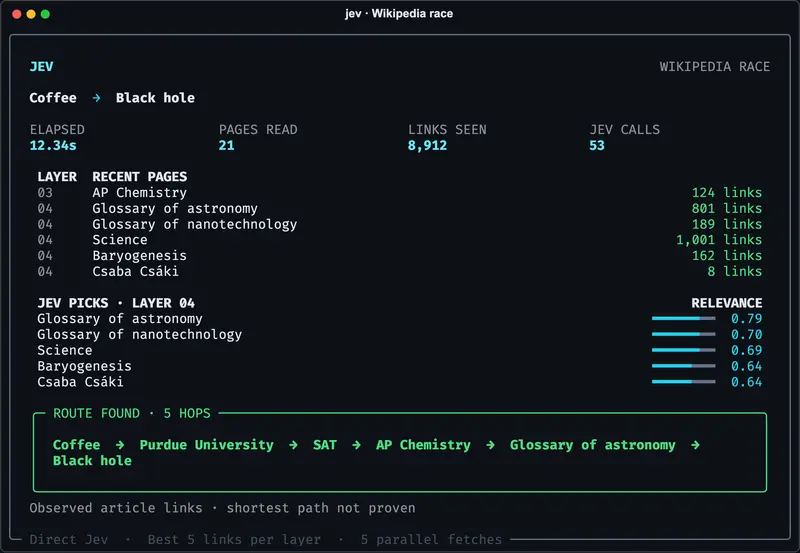
The loop is: read the game state, list the legal actions, ask a choice question, apply the move. anxkhn/JevPlaysPokemon reads the battle out of memory and hands Jev the options each turn, with no screenshots. komikat's jev-bfs uses scores instead, ranking Wikipedia links by expected remaining hops. Search-style games work with scores because the model can rank many options in one request instead of making a move at a time.

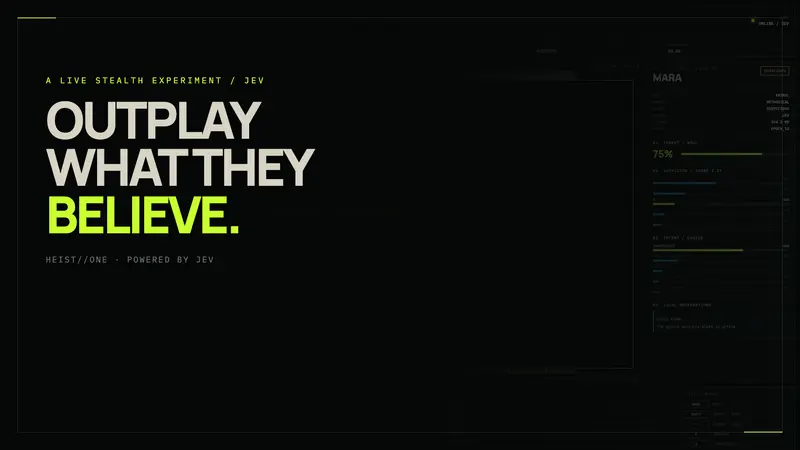
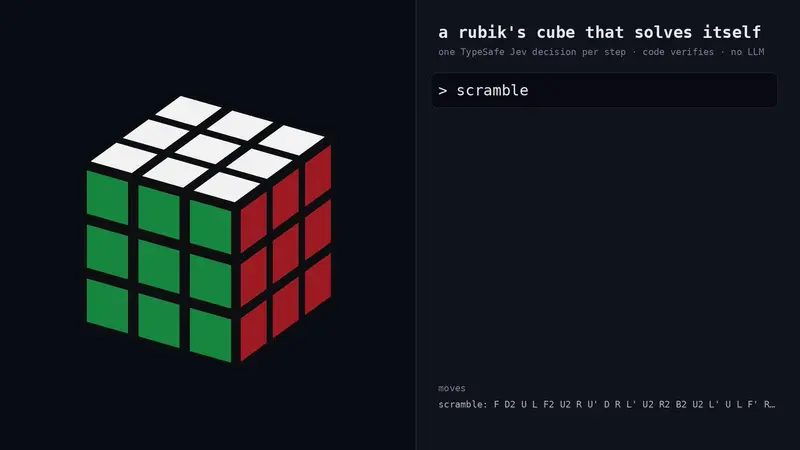
Keeping game code in charge works well. heist-one by AbdelStark has Jev make typed guard judgments while deterministic game code owns all world state. A Rubik's Cube solver on X uses a coded beginner method and asks Jev only which case the cube is in. This split keeps the rules in code, where you can test them. The model supplies only the judgment, such as how risky a move is.

Latency is the limit. Every decision is a network call unless the model runs locally, so real-time games either slow the game to match, as jev-pong does, or batch decisions. Check whether a project runs a hosted model or a local one before you plan for frame rate. Batching helps when many agents share a model, as one entry shows with many agents running in parallel.

FAQ

Can Jev play games?

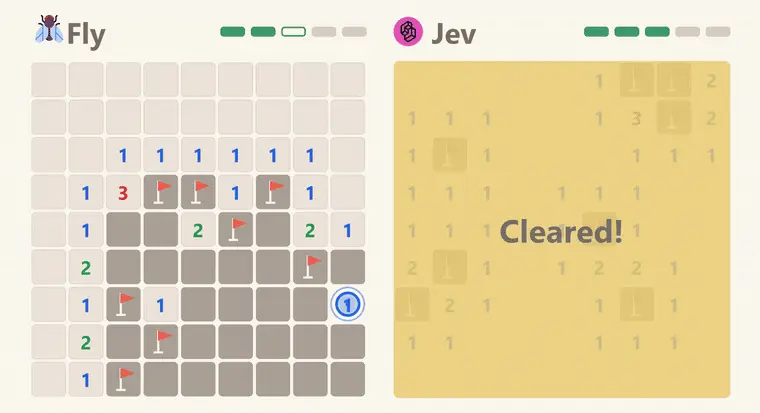
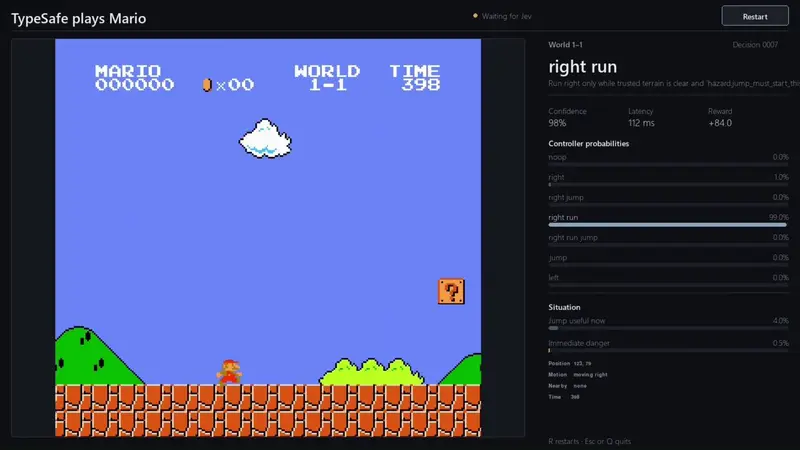
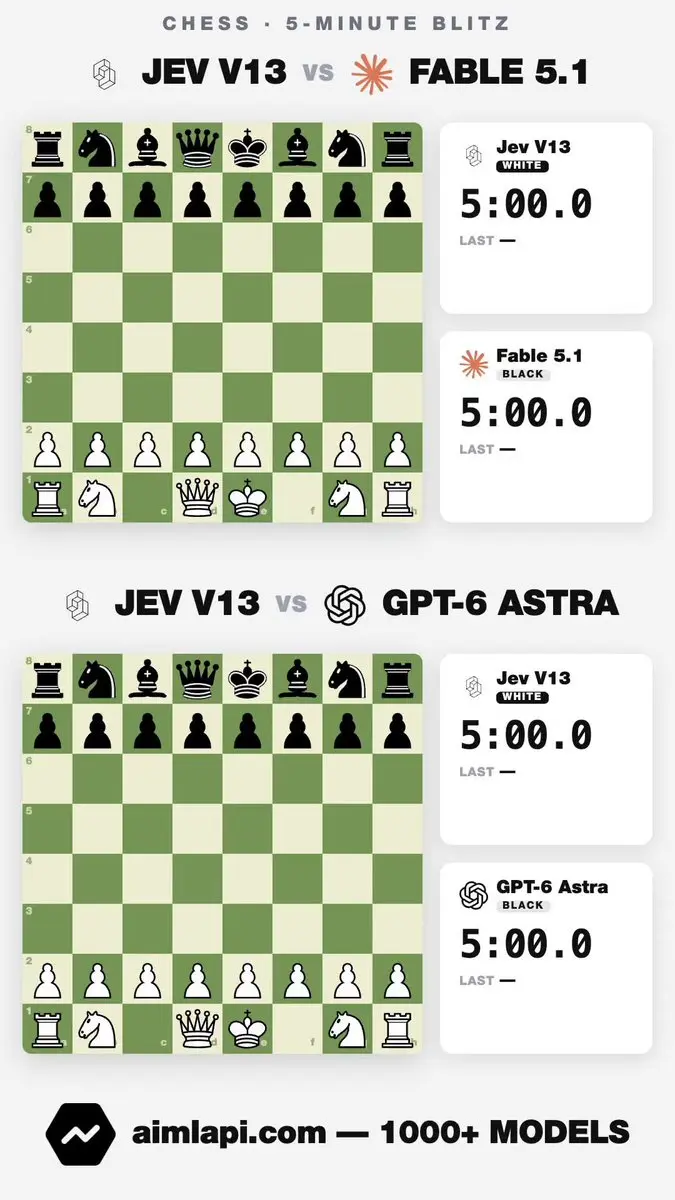
Yes. Entries here have Jev playing Pokemon battles, chess, gomoku, Minesweeper, Pong and Doom. Each game gives the model the current state and the legal options, and the model returns one choice.

Can Jev play in real time?

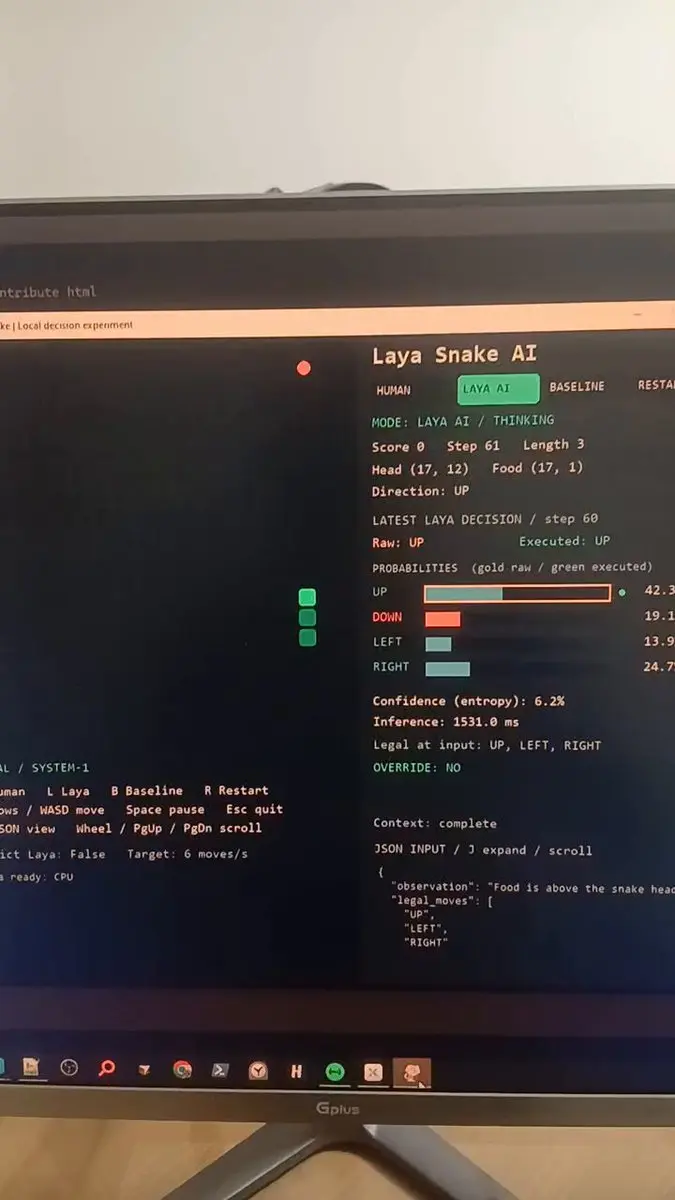
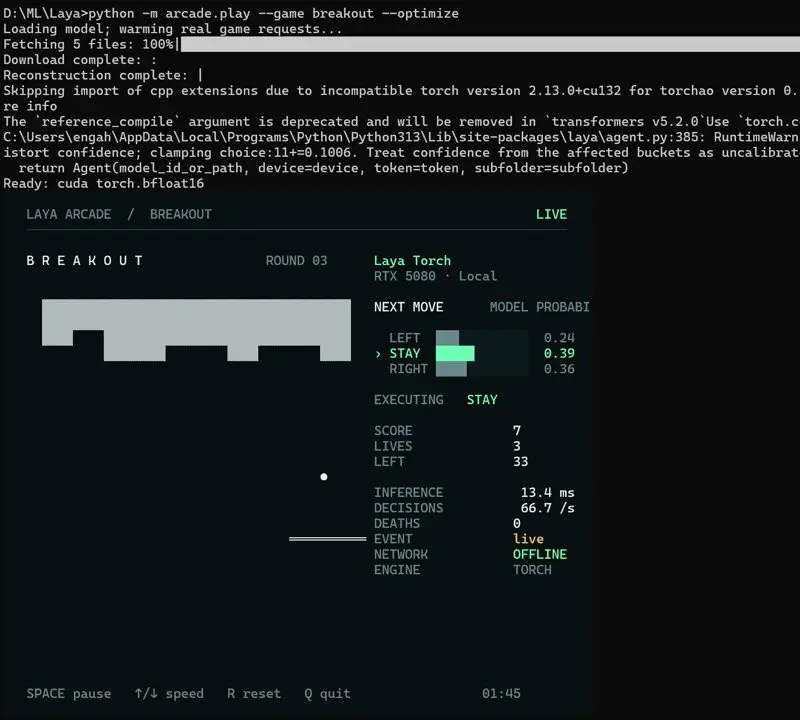
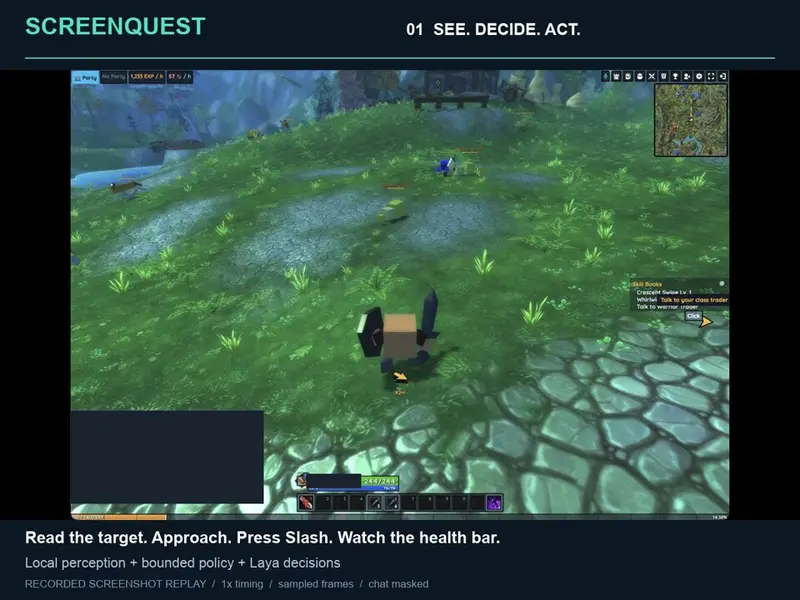
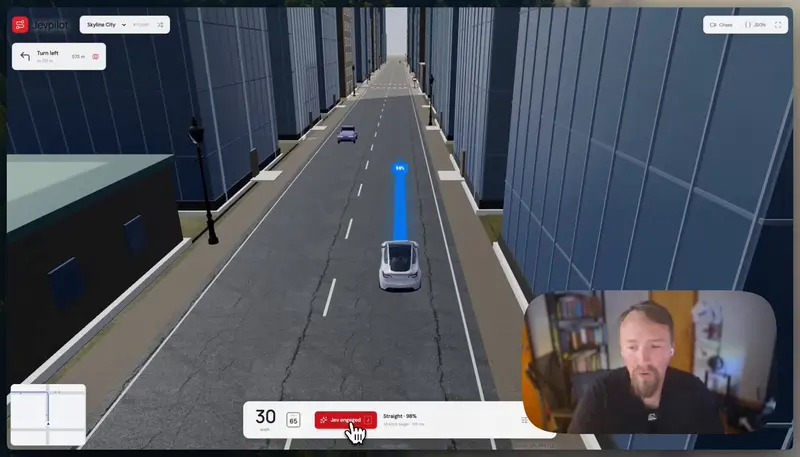
Some entries do, but each decision is a model call, so speed depends on the model and the network. Several projects run a turn-based or slowed-down game for that reason. Local models like Laya remove the network step.

Do games need a decision model instead of an LLM?

A typed choice cannot be an invalid move or malformed text, which suits a game loop. An LLM can plan further ahead. Some entries here benchmark the two against each other.